Should you keep feeding hedgehogs through winter?
Last updated
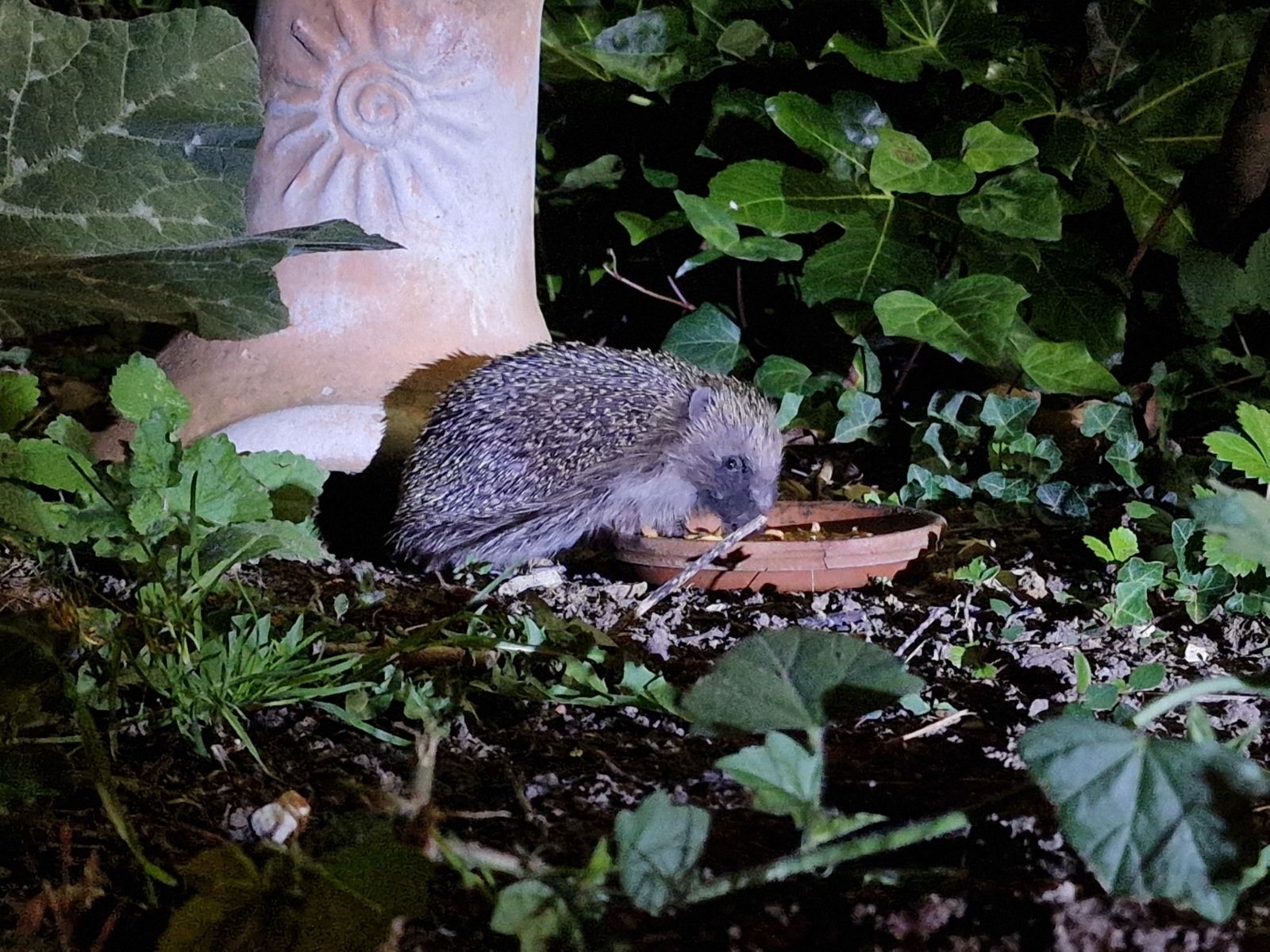
Should you keep feeding hedgehogs through winter?
The evenings are drawing in, and there’s a rustle beneath the hedge. Your visiting hedgehog is still making its rounds. Should you keep putting food out, or leave it to settle down for winter?
Keep offering food while hedgehogs are eating it. There’s no calendar date when every hedgehog begins hibernation. An extra meal in autumn can help them build the fat reserves they’ll need through winter. Hedgehog Street
Hibernation follows the conditions
Hedgehogs usually hibernate between October or November and March or April, but timing varies with the weather and the individual animal. During a mild autumn, some may remain active into December.
Hibernation isn’t simply a long sleep. Hedgehogs lower their body temperature and slow their bodily processes to conserve energy when natural food is harder to find. They can wake during winter, sometimes moving nests or looking for food. A night-time visitor in a mild spell isn’t necessarily in trouble. Hedgehog Street
If food stops being taken, reduce what you offer. You can leave a few dry cat biscuits, checking them regularly and replacing any that become damp or stale. If visits resume, or the weather turns mild, offer food again. There’s no need to keep putting out wet food that remains untouched. Hedgehog Street
A complete, nutritionally balanced hedgehog food, such as Ark Hedgehog Food Original, is one option for supplementing their natural diet. Meaty cat or dog food, or dry cat biscuits, are suitable alternatives.
Put out a modest amount at dusk, remove uneaten wet food the next morning and wash dishes daily. Keep feeding areas clean and separate from sleeping places. Never offer bread or milk.
Leave a shallow dish of fresh water too, and check that it hasn’t frozen. British Hedgehog Preservation Society
When a hedgehog needs help
A hedgehog that’s injured, unsteady or lying exposed needs prompt advice. Daytime activity can also signal a problem, particularly if the animal seems sluggish or distressed, although brief, purposeful trips can have other explanations.
If you’re worried, contact the British Hedgehog Preservation Society or a local hedgehog rescue. They can help you decide what to do. There’s no need to pick up a healthy night-time visitor simply to check its weight. British Hedgehog Preservation Society
Leave somewhere sheltered to rest
Leave dry leaves beneath hedges and keep a sheltered corner undisturbed so hedgehogs can gather nesting material and find cover. Avoid opening an occupied hedgehog house to see who’s inside.
With Bonfire Night approaching, build your bonfire on the day you’ll burn it and check carefully before lighting. A pile of branches can look like a promising nesting place. British Hedgehog Preservation Society