Should You Protect Your Garden From Frost? Not Always.
Last updated
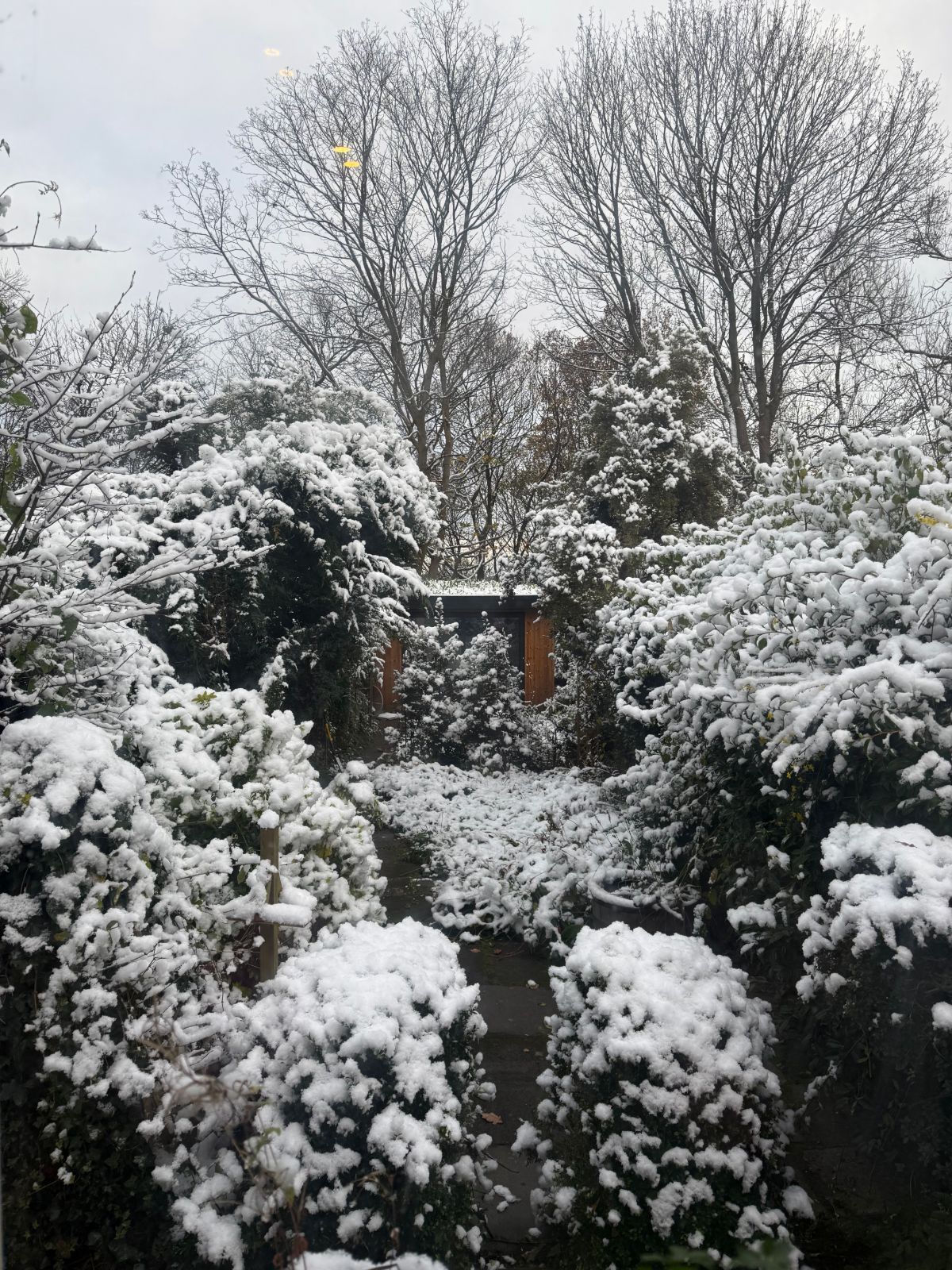
Frost can damage some garden plants, particularly tender varieties that aren't suited to cold temperatures. But not every plant needs protecting. Many familiar garden plants are well adapted to British winters, and some actually benefit from a period of cold weather.
From improving the flavour of winter vegetables to helping seeds germinate in spring, cold weather plays an important role in the natural life cycle of many plants. Here's why you shouldn't be too quick to fight the frost.
Some seeds need a cold winter
Did you know that certain seeds need to experience winter before they'll germinate? This process is called cold stratification. Exposure to prolonged cold and moisture helps break seed dormancy, preparing seeds to grow when conditions improve in spring.
It's a natural process for many wildflowers and other plants. Some gardeners even use a period of artificial chilling to help germinate particular seeds.
Cold weather can make vegetables sweeter
If you've ever eaten a parsnip harvested after the first frosts, you might have noticed its sweeter flavour. Vegetables such as parsnips, kale and Brussels sprouts can accumulate sugars in response to cold temperatures.
This helps protect their cells from freezing damage and can improve their flavour. It's one reason why some winter vegetables are best enjoyed after a spell of cold weather.
Some plants need winter to flower
Certain plants rely on prolonged exposure to cold temperatures to trigger flowering. This process is known as vernalisation.
It's particularly important for some biennial and perennial plants, which use the changing seasons as a signal that winter has passed and it's time to grow or flower.
Spring bulbs benefit from a winter chill
Snowdrops, crocuses and many tulips need a period of cool temperatures to develop properly and flower in spring.
Without sufficient winter chilling, some bulbs may produce weaker growth or fail to flower as expected. That cold spell is an important part of their seasonal rhythm.
Let your garden experience the seasons
But many hardy perennials, shrubs and native plants are perfectly capable of handling a British winter.
Not sure which of your plants need a little extra protection? Check their hardiness rating in the Flit app. It will help you understand how well they're suited to cold temperatures and whether they might need some extra care during winter.
Rather than protecting everything, take a moment to understand what you've planted. Leave hardy plants to experience the changing seasons, and give vulnerable ones a little extra care when needed.
Sometimes, the best thing you can do for your garden is nothing at all.