Why garden birds return to feeders in winter
Last updated
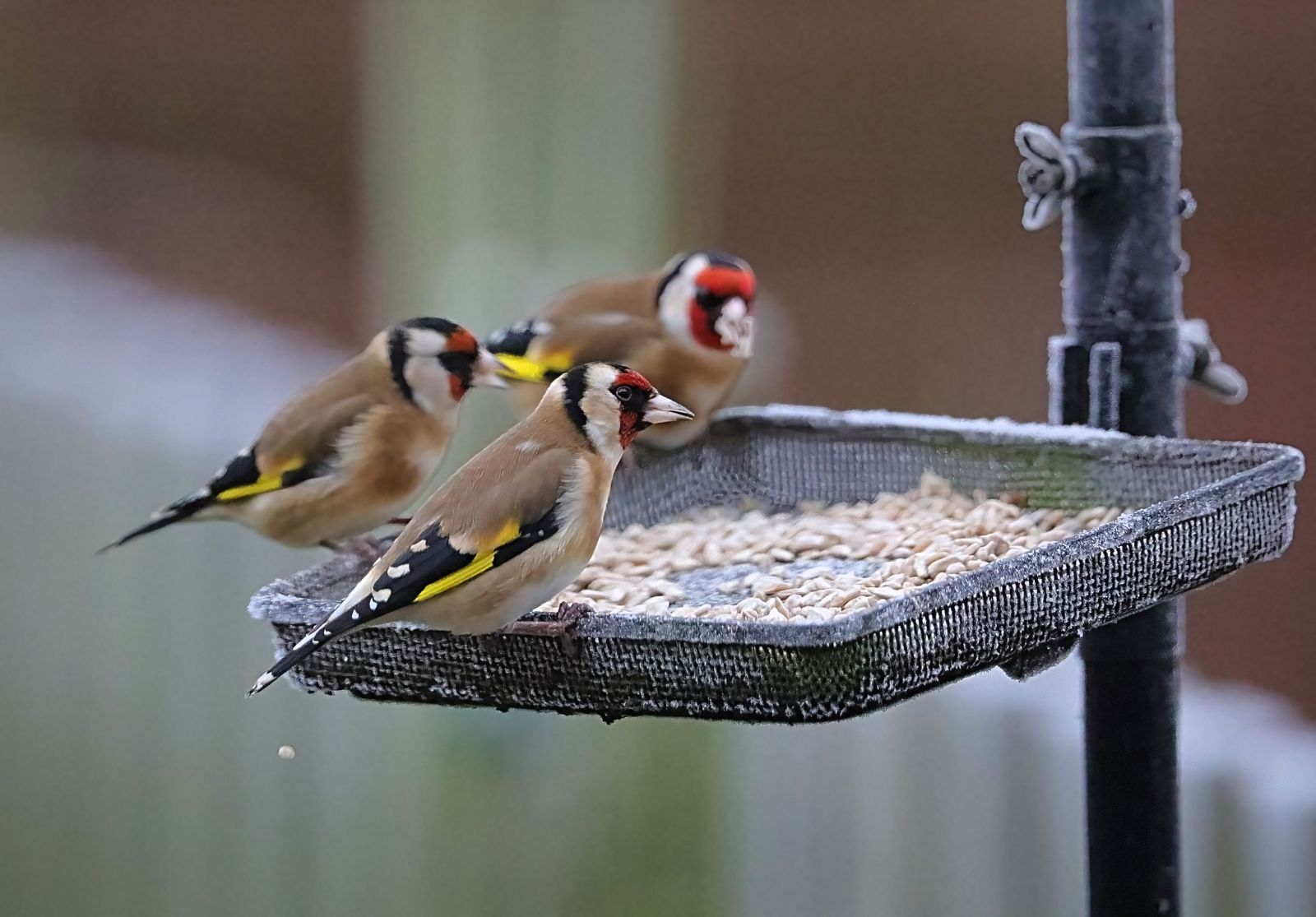
If your bird feeders have been less busy over summer and early autumn, you may notice visits increasing from late October into November. Changes in food availability, colder weather and the arrival of winter migrants can all bring more birds into gardens.
Here’s what’s happening, which birds to look for and how you can help.
Less time to find food
During summer and early autumn, birds can often find plenty of insects, seeds and berries away from feeders. Fewer visits don’t necessarily mean they’ve left the area.
As winter approaches, insects become less active and some natural food supplies begin to run low. Frost can also make food harder to reach. Meanwhile, shorter days give birds less time to eat, and longer, colder nights increase the energy they need to stay warm.
Garden feeders can provide useful extra food, especially during cold spells. Visits vary with local conditions, so some gardens will become busier sooner than others. RSPB
More birds arrive for winter
The UK’s winter bird population includes migrants escaping harsher conditions further north and east.
Blackbirds from Scandinavia and the Baltic region join our resident birds. If you notice more blackbirds in your garden, some may be winter arrivals, although you usually can’t identify their origins by appearance alone. The Wildlife Trusts
Redwings and fieldfares also arrive in autumn. Look for them feeding on berries in trees and hedges. They may visit gardens during colder weather, but they’re unlikely to use hanging seed feeders.
Which birds might visit?
Blue tits and great tits are regular visitors to hanging feeders. House sparrows often feed in groups, while goldfinches may gather around sunflower hearts. Depending on your area, coal tits, long-tailed tits and nuthatches may visit too.
Robins, blackbirds and dunnocks often search for food lower down. Keep some fallen leaves beneath shrubs, where they can find insects and other small creatures. Berry-bearing plants and standing seedheads also provide food beyond the feeder. RHS
What should you offer?
The RSPB recommends offering seeds and peanuts from 1 November to 30 April. Sunflower hearts suit many tits, finches and sparrows. Offer unsalted, aflatoxin-tested peanuts in a rigid mesh feeder, and net-free suet balls in a suitable holder. Mealworms are another option.
Start with small amounts and adjust to how much is eaten. Remove old or wet food rather than topping it up.
Clean and move feeders at least weekly, and avoid bird tables and other flat feeding surfaces to help reduce disease transmission. Change drinking water daily and clean bird baths weekly. RSPB
Keep track of your feeders with Flit
Flit lets you add your bird feeders, manage cleaning schedules and find out which birds each feeder is suitable for.
Add the feeders you already use, set up your cleaning schedule and see which species you could look out for on your next garden watch.