Why leave some dead plants standing through winter?
Last updated
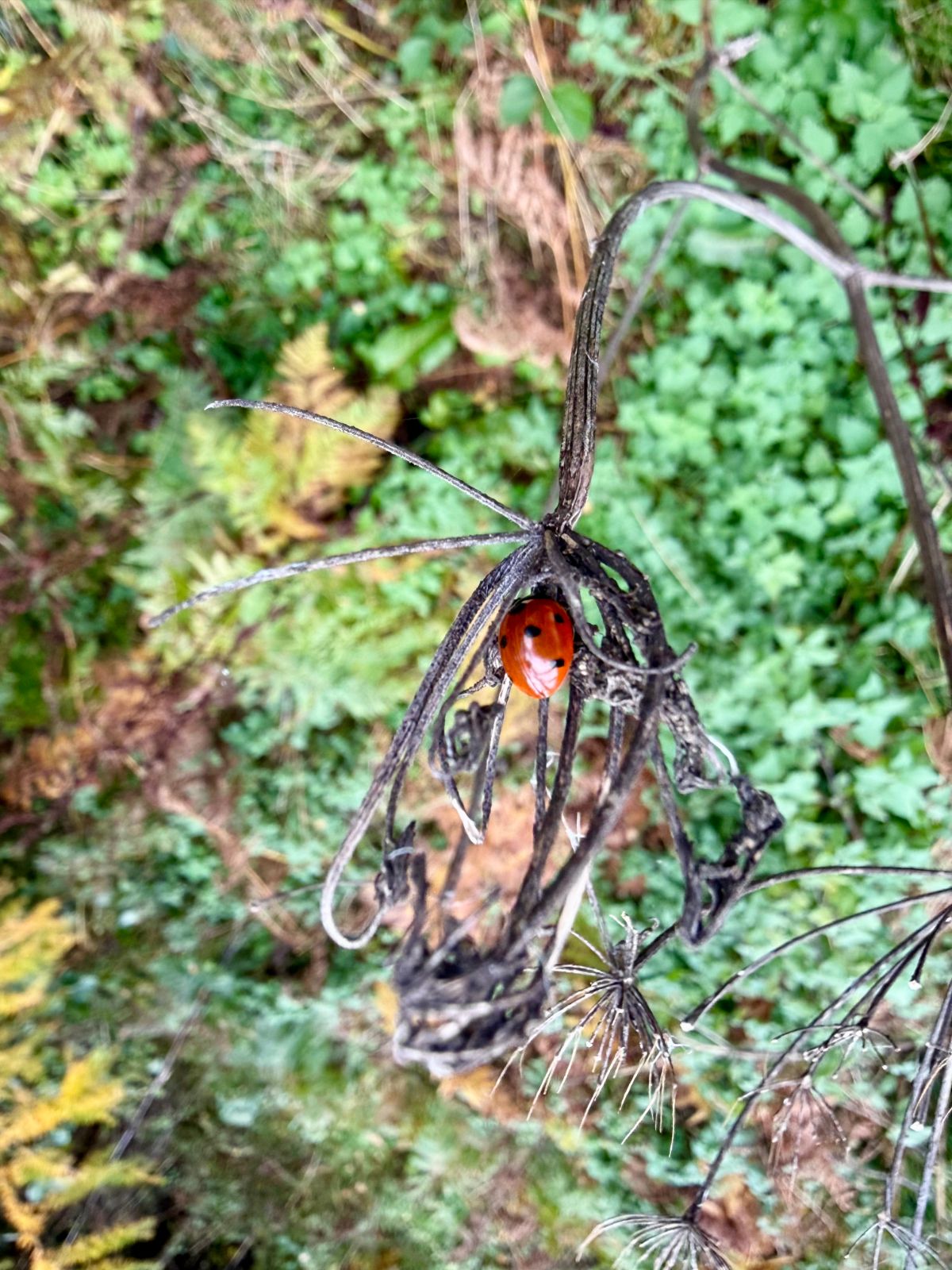
A flowerhead catches the low afternoon sun. Its petals have gone, but the stems are still upright, holding shades of bronze, brown and silver. Look closer and you might notice seeds tucked inside, or a ladybird sheltered among the dried remains.
When flowering finishes, a plant can still have plenty to offer. Leaving some dead stems and seedheads standing gives wildlife food and shelter, while bringing shape and texture to your winter garden.
Shelter among the stems
For insects spending winter in your garden, small sheltered spaces matter. Hollow stems and the crevices around dried flowerheads can provide places to overwinter, away from the worst of the weather.
Ladybirds are among the insects that use these spaces. The RHS highlights angelica seedheads as shelter for seven-spot ladybirds. Leaving suitable growth undisturbed helps preserve these refuges through the colder months. RHS
You don’t need to search inside to see whether anything has moved in. Keeping a few clumps intact lets their occupants stay undisturbed.
A different kind of winter colour
There’s more to a winter border than bare soil. Dried grasses turn pale gold, old flowerheads deepen to rusty brown, and branching stems draw patterns against evergreen leaves.
Frost picks out their edges. Raindrops hang from fine stems, and low sunlight catches details that were less noticeable among summer flowers.
Plants such as sea holly, sedum and ornamental grasses can hold their shape well after flowering. Leaving them standing keeps height and structure in the garden, including something to enjoy from a window on colder days. RHS
Seeds for visiting birds
Some finished flowers also hold a meal. Teasels, sunflowers and other seed-bearing plants can provide food for birds through autumn and winter.
Goldfinches may balance on stems to pick out seeds, while other visitors search among the surrounding growth. Keeping seedheads offers a natural feeding opportunity, although which birds visit will depend on your plants and what’s nearby. RSPB
Protection for next year’s growth
Old growth can help the plant itself, too. On some less hardy plants, including penstemons, stems help protect the base from frost. Their pruning is best left until the risk of frost has passed, rather than treating every plant to an autumn cut-back. RHS
Choose a patch to leave
Start with a few sturdy clumps that are holding their shape. You can clear paths and remove diseased growth while keeping healthy stems and seedheads elsewhere. It doesn’t have to be the whole garden.
Revisit them in spring as new growth appears, checking each plant’s pruning needs before cutting back.
For now, take another look at what’s still standing. A flower may have finished blooming, but its place in the garden’s year isn’t over.